We talk a lot about the craft of design: systems, process, research, collaboration and execution. We spend less time discussing the scale of our ambition, even though the size of the question often determines the ceiling of the work.
Ask how to improve a flow or interaction and we will probably improve that experience. Ask what the product should become and the conversation expands to behavior, systems and entirely different ways for people to accomplish something.
Ideas need enough room to develop before we reduce them to what feels immediately achievable.
We learn to think within the existing product
Working inside an organization teaches us to be realistic. We understand the roadmap, technical constraints, business priorities and which ideas are likely to gain support.
Eventually, we become so good at anticipating these limits that we start negotiating against ourselves. The idea gets smaller before anyone has challenged it. The current product structure becomes a permanent assumption, and we gravitate towards improvements that are easier to explain because they resemble what already exists.
Ambition requires us to spend some time thinking about what should exist before deciding what can be delivered. Reality still matters, but it should shape the path towards an idea rather than define its size from the beginning.
Thinking big changes the question
Thinking big often means examining the frame around the problem.
A request for a new interface might reveal that the product is organized around the wrong model. A usability issue might expose a missing capability. A chatbot might be an early version of an experience that should eventually become embedded throughout the product.
The most useful question is often one level above the one we have been given:
- What are we actually trying to change?
- Which assumptions belong to an older version of the product?
- What would the ideal experience feel like?
- What could we make possible that people would not think to request?
- If this works, what could the product become next?
These questions help a team see the current project as part of a larger direction. I think that is one of the most valuable things design can provide.
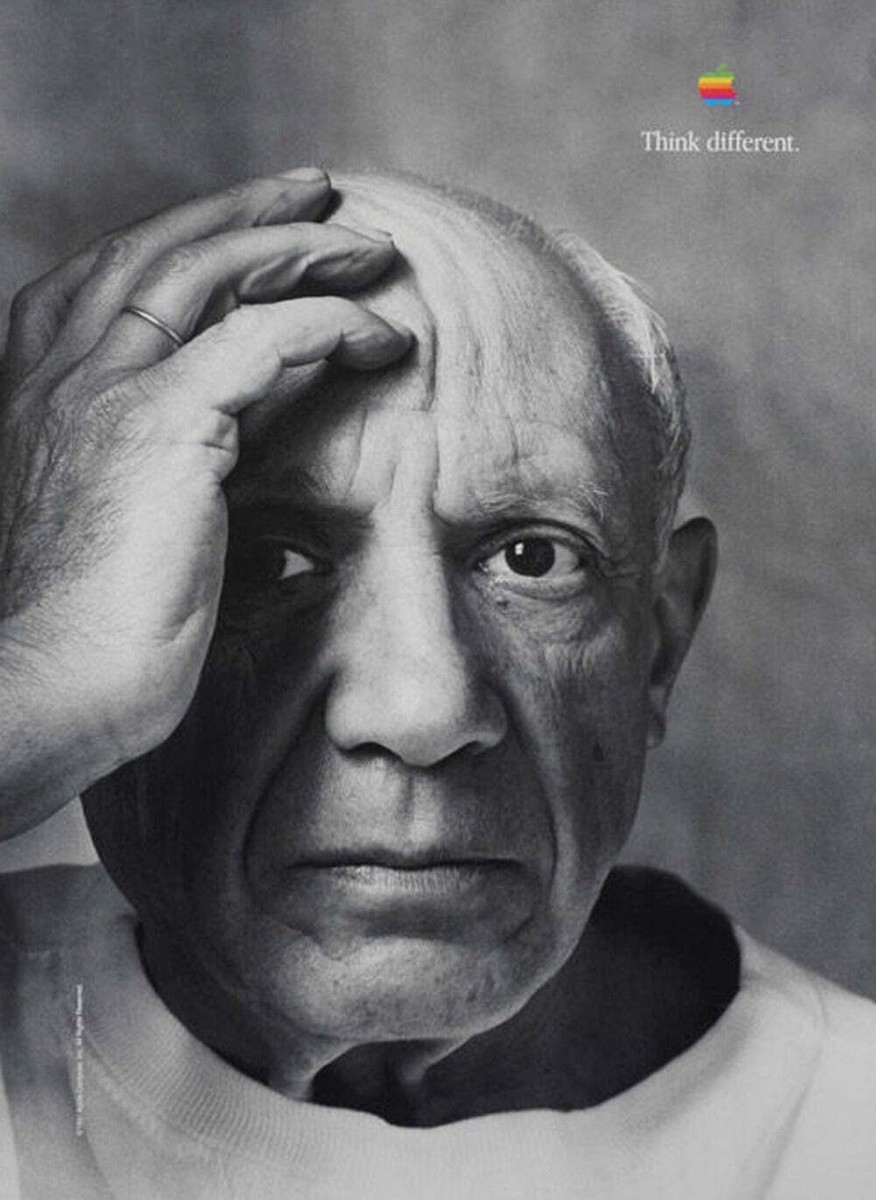
Ambition needs judgment
A large idea still needs to be a good idea. That is where judgment and a strong eye matter.
You develop your eye through sustained attention: studying products, technology, art, culture and human behavior; making things; comparing alternatives; and understanding why one direction feels stronger than another.
Over time, you become better at recognizing whether an idea is genuinely new or simply unfamiliar. You notice when complexity supports the experience and when it hides a weak concept. You can sense that a direction has a strong internal logic before every detail has been resolved.
Ambition expands the possibilities. Judgment helps us choose where to go.
This is why I want to keep developing technical fluency while also studying art direction and training my eye. Technical knowledge gives me access to more of the product. Judgment helps me use that access well.
Agentic products need ambitious designers
The future form of agentic products is still very much unresolved.
Almost all agentic experiences begin with a chatbot. It is a useful starting point, but it does not tell us what these products should eventually become.
How should an agent behave when it understands someone’s intent and context? When should it act, ask or stay out of the way? How should it adapt to different levels of experience? What would make it dependable enough to become part of someone’s work?
We are still so early that there are few established answers.
We already shape the interface, behavior, system and direction behind these products. As the space develops, product builders will feel increasing pressure to make this unfamiliar future understandable enough that other people can see it, contribute to it and help bring it to life.
That requires the confidence to propose a direction before every detail is known.
Direction is part of the work
A compelling vision needs to help people make decisions.
It should explain where we are going, why it matters and how the work in front of us contributes to it. A clear direction gives product and engineering something tangible to respond to, while making smaller decisions more coherent because they belong to the same larger idea.
This is where ambition becomes practical: thinking big establishes the destination, and the work that follows tests it, sharpens it and finds a credible route towards it.
One of the most exciting shifts is that if you can describe an experience, you can increasingly begin to build it. English is not my first language, but I can describe a feeling: how an interaction should move, the confidence it should create or the amount of control it should give someone. That description can now become a working prototype. Articulating an experience is becoming part of making it.
We do not need to know the complete route before we begin. We need enough clarity to move together and enough flexibility to learn along the way.
Ambition is collective
The strongest ideas rarely emerge fully formed from one person. They develop through critique, experimentation and the combination of different perspectives.
One person may see the larger product opportunity. Another understands what the technology enables. Someone else finds the interaction that makes the idea clear. A team can reach a more ambitious direction by giving those perspectives room to meet.
That means sharing work before it feels finished, critiquing the direction as carefully as the details and helping one another develop stronger judgment. Collective judgment is what allows a team to act on an ambitious idea.
Are we thinking big enough?
Design is gaining influence over more of the product: its interface, behavior, system and direction. People will increasingly look to us for a view on what should exist and where the product should go.
That is a responsibility, but it is also an exciting opportunity to reconsider what our products can become.
Our tools will change and our roles will expand. The quality of the outcome will depend on the scale of our ambition, the strength of our judgment and our willingness to show others a future they cannot see yet.