Before industrial production, a coat was expensive partly because making it required so much human effort. Wool had to be sheared, cleaned, spun, woven, cut, and sewn. A well-made coat was valuable because producing one took time and specialist skill.
Mechanization changed the economics. Mills, standardized patterns, and industrial cutting made durable clothing cheaper and more widely available. As basic quality became easier to achieve, more of the premium moved into the cut, material, silhouette, and the designer’s ability to turn those choices into something people wanted to wear.
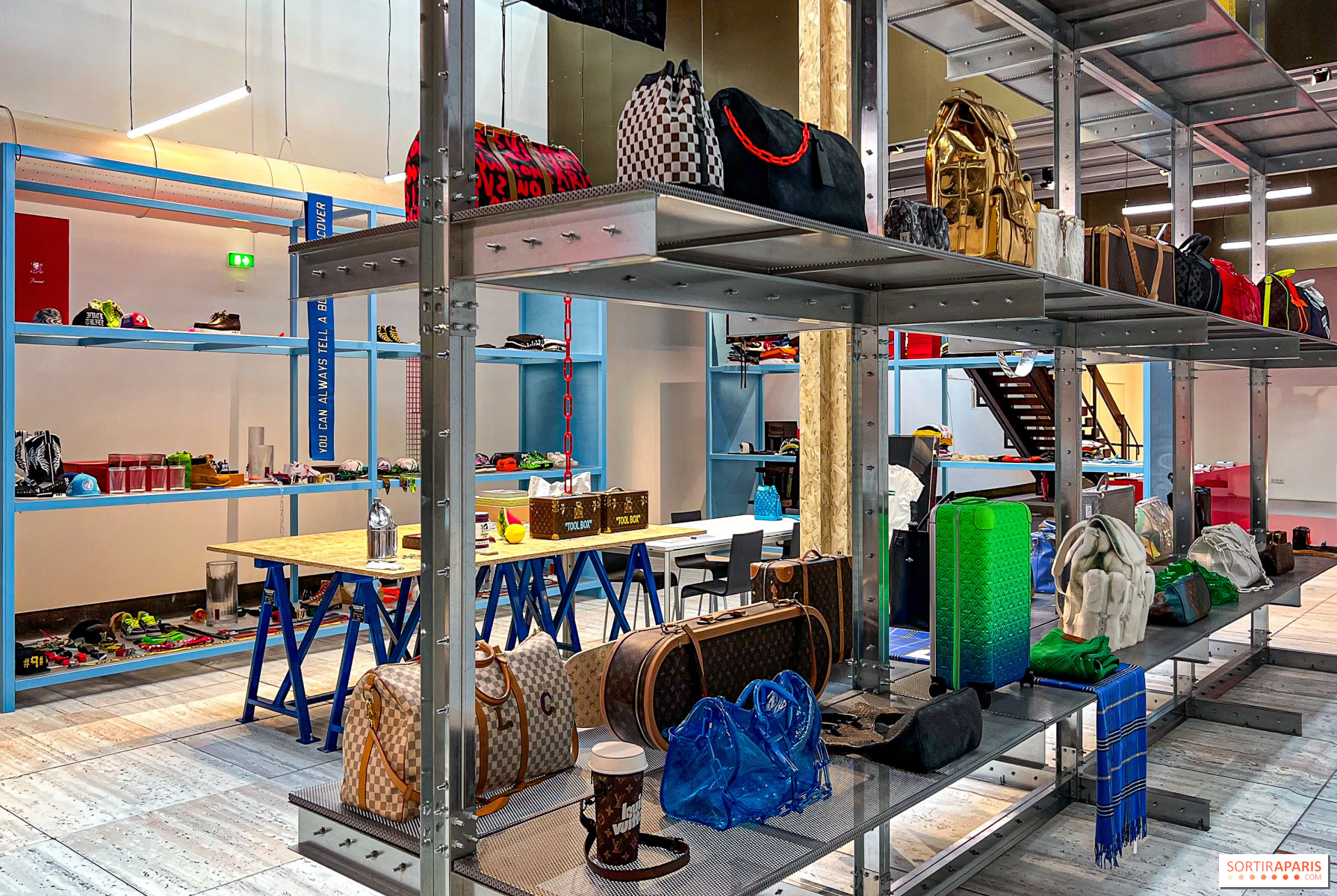
From reliable process to distinctive experience
The restaurant industry makes the same shift easy to see. A fast-food restaurant coordinates ingredients, equipment, labor, timing, and distribution so that a familiar meal can be produced quickly and consistently. Its value comes from delivering the expected result at scale.
A great restaurant depends on the same operational discipline. Food must be safe, ingredients must arrive on time, and every dish must reach the table at the right temperature. A Michelin-starred kitchen is usually more disciplined about these fundamentals, not less.
The chef adds another layer of value by deciding which ingredients deserve attention, what belongs on the menu, how each dish should be balanced, and how the meal should unfold. Food, service, pacing, and atmosphere work together as one experience. Function remains essential, but it accounts for only part of what people value.

Software is reaching the same point
For decades, software was valuable partly because producing it was difficult. Turning an idea into a dependable product required engineers, designers, and product managers working together for months. A tool that worked reliably had already achieved something expensive.
AI is reducing the effort required to reach that baseline. An agent can generate an authentication flow, database, dashboard, or settings page in a fraction of the time these features once took. Complex products remain difficult to build well, but functional software is becoming faster and cheaper to produce.
Reliability, security, accessibility, and performance still matter, although customers increasingly expect them from every serious product. More of the challenge now sits in choosing which problems deserve attention, which users to serve, and which version of an idea is worth developing.
Abundance needs a stronger editor
When production was expensive, cost acted as a filter. AI weakens that filter because teams can add another feature, create another variation, or respond to another request with much less effort. This creates more room for experimentation and makes unfocused products easier to produce.
Features can compete for attention, introduce conflicting behaviors, and make a product harder to understand. As production gets faster, quality depends more heavily on the team’s ability to decide what belongs.
This is a useful way to think about the software atelier: a team organized around clear product judgment. AI speeds up execution, while people remain responsible for direction, quality, and coherence. They decide where automation helps, where human review still matters, when a strong default is better than another setting, and what the product should leave out.
Design becomes more editorial
On a team like this, design begins before requirements are settled. Designers work with product and engineering to shape who the product serves, what outcome matters, and what the simplest coherent version could be.
The role becomes more editorial, with greater emphasis on selection, sequencing, clarification, and removal. These decisions still need to be grounded in customer needs, business context, and a strong understanding of the medium.
Output also reveals less about a team’s quality when prototypes and production code can be generated quickly. Stronger signals include the clarity of the product, the reasoning behind its decisions, and the team’s ability to learn without filling the roadmap with every possible response.

Restraint has business value
Great restaurants do not offer every possible dish, and fashion houses do not produce every possible garment. Software teams often treat breadth as an obvious advantage, even though every capability adds explanation, maintenance, and support.
A smaller set of well-integrated features can be easier to adopt and trust than a long list of loosely connected ones. The value of restraint becomes clearer when it is connected to outcomes such as adoption, trust, retention, and operating cost.
The foundations still matter
A respected restaurant cannot survive an unsafe kitchen, and a beautiful coat has little value if its seams come apart. Software follows the same rule. Reliability, accessibility, performance, privacy, and security remain fundamental.
AI changes where teams spend their effort. Less time can go into producing familiar patterns, while more attention goes into understanding the problem, testing alternatives, and improving the whole experience.
Industrial production made good clothing widely available, and standardized kitchens did the same for food. AI is increasing the productive capacity of software teams in a similar way. The advantage will come from using that capacity to make clearer choices, build more coherent products, and apply human judgment where it matters most.